Introduction
When it comes to home maintenance, few appliances are as crucial as the water heater. Whether it's for a hot shower on a chilly morning or for washing dishes after a hearty meal, our daily routines often hinge on the reliable performance of this machine. So, what happens when your trusty water heater starts showing signs of age? Is it time for a repair, or is it better to invest in a new unit? In this comprehensive guide, we will delve deep into how to choose between repairing or replacing your water heater. From understanding the signs of trouble to weighing the costs and benefits, we’ll arm you with all the information you need to make an informed decision.
Understanding Your Water Heater
What is a Water Heater?
A water heater is an appliance that heats water for various household needs. There are several types, including tankless, traditional tank-style, and solar water heaters. Understanding how your specific model works can help you diagnose issues more effectively.
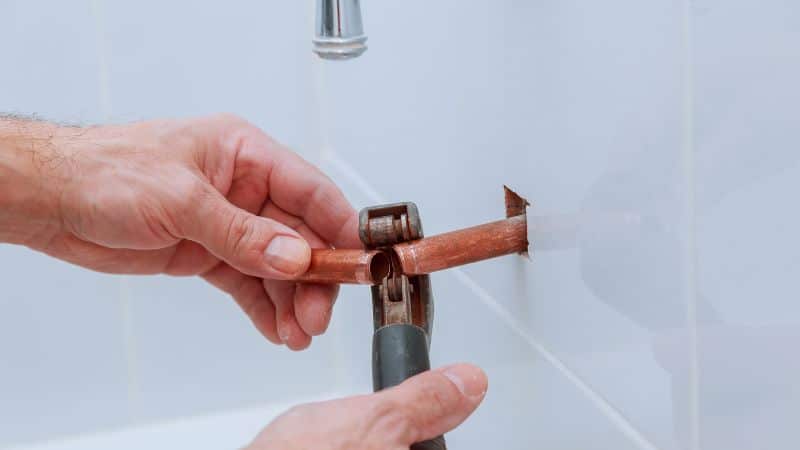
Common Types of Water Heaters
Traditional Tank Water Heaters- Store hot water in a tank. Available in gas and electric models.
- Heat water on demand. More energy-efficient but often have higher upfront costs.
- Utilize solar panels to heat water. Environmentally friendly but may require significant installation investment.
Lifespan of Different Models
- Traditional Tank: 10-15 years Tankless: 20 years or more Solar: 15-20 years
Knowing the lifespan of your type of water heater can help you assess whether repair or replacement is necessary.
Signs Your Water Heater Needs Attention
Leaks and Puddles
If you notice leaks around your water heater, this could indicate an internal failure. A small leak may be repairable, but larger leaks often mean it’s time for replacement.
Strange Noises
Hearing rumbling or popping sounds? These noises may indicate sediment buildup in your tank, which can be resolved with cleaning. However, if the noises persist after cleaning, consider replacement options.
Fluctuating Temperatures
If you're experiencing inconsistent hot water temperatures, this might suggest problems with heating elements or thermostats—issues that can sometimes be repaired but might also indicate deeper systemic failures.
Age of the Unit
As mentioned earlier, age plays a significant role in decision-making. If your unit is nearing the end of its expected lifespan and is exhibiting problems, replacement might be Plumber in O'Fallon IL the sensible choice.
Cost Considerations
Repair Costs vs Replacement Costs
On average:
- Repair costs: Ranges from $150-$500 depending on the issue. Replacement costs: Typically between $800-$2,500 for traditional models; tankless units can range from $1,500-$4,500 including installation.
Long-Term Financial Implications
While repairs might seem cheaper initially, consider long-term savings from more efficient models if you decide to replace your unit. A newer model could save you money on utility bills each month.
Energy Efficiency Considerations
Energy Ratings Explained
Water heaters come with energy ratings indicating their efficiency levels. Look for models with Energy Star certification—they use less energy and save money over time.
Benefits of Upgrading to Efficient Models
Switching to a more efficient model not only reduces energy bills but also benefits the environment by lowering carbon footprints.
How to Choose Between Repairing or Replacing Your Water Heater
When considering whether to repair or replace your unit:
Assess the age and condition of your current system. Calculate potential repair costs against new purchase prices. Evaluate long-term savings from energy efficiency. Consult with professionals like Alexander Plumbing & Remodeling LLC for expert advice tailored to your situation.Consulting Professionals: When To Call A Plumber
When tackling plumbing issues related to your water heater, hiring a qualified plumber is often beneficial:
- They can accurately diagnose issues. Provide estimates for repairs vs replacements. Ensure compliance with local codes and safety standards.
In O'Fallon IL, plumbers such as Alexander Plumbing & Remodeling LLC are known for their expertise and reliability—making them an excellent choice when you're faced with these decisions!
DIY vs Professional Help
While some minor issues can be addressed through DIY methods:
Sediment flushing Replacing drain valves Adjusting thermostatsCertain repairs require professional intervention due to safety concerns or complexity—always err on the side of caution!
The Replacement Process: What To Expect
If you've decided that replacement is indeed necessary:
Choose Your New Unit
- Research different brands and models based on efficiency ratings and customer reviews.
- Contact professionals like Alexander Plumbing & Remodeling LLC who specialize in installations within O'Fallon IL.
- Expect some disruption while your old unit is removed safely by qualified technicians.
- Ensure proper testing occurs post-installation so you're confident everything works perfectly before they leave!
Maintenance Tips for Longevity
To extend your water heater's lifespan regardless if you choose repair or replacement:
Regularly flush sediment from tanks (at least once a year). Check anode rods every few years; replacing them can delay corrosion. Insulate pipes leading from your heater—this helps maintain temperature efficiently! Set thermostat between 120°F –130°F; this balances comfort while avoiding overheating risks.By following these simple maintenance steps regularly, you can prolong both repaired units’ life expectancy significantly!
FAQs about Water Heaters
Q1: How do I know if my water heater needs replacing?
A1: Signs include persistent leaks, unusual noises google.com during operation, fluctuating temperatures in hot water supply—and remember its age! If it’s nearing 10+ years without any previous repair history—is very likely time has come!
Q2: Can I replace my own water heater?
A2: While DIY projects are rewarding—it’s best left up professionals unless experienced! Installing incorrectly could lead expensive damages down road—or even jeopardize safety standards required by law!
Q3: What kind should I buy if I decide on replacement?
A3: Consider factors like family size/type usage patterns (tank vs tankless)—then compare energy efficiency ratings available via Energy Star certified options before purchasing!
Q4: Are there warranties available when buying new units?
A4: Yes! Most manufacturers offer warranties ranging anywhere from 6 months up-to lifetime coverage depending brand/model chosen—be sure read fine print before commitment though!
Q5: Do I need permits for installation?
A5: In many areas permits required ensure compliance local regulations—you’ll want confirm requirements based locale prior work commencing regardless whether doing yourself hiring contractors like Alexander Plumbing & Remodeling LLC !
Q6: What maintenance does my new unit require after installation?
A6: Key routine includes annual flushing sediment buildup checking anode rods every few years adjusting temperature settings too prevent overheating risks—all contribute extending its overall lifespan greatly!
Conclusion
Deciding how to choose between repairing or replacing your water heater doesn't have to feel overwhelming! By assessing signs indicating trouble while factoring cost implications alongside long-term savings—you'll arrive at smarter decisions moving forward! Consulting professionals such as those at Alexander Plumbing & Remodeling LLC ensures safe installations done right first time around providing peace mind knowing future reliability secured too!
Whether opting repairs instead investing newer models—remember taking proactive steps towards maintaining these essential appliances leads happier comfortable living spaces overall!